About FIRE HYDRANT SYSTEMS
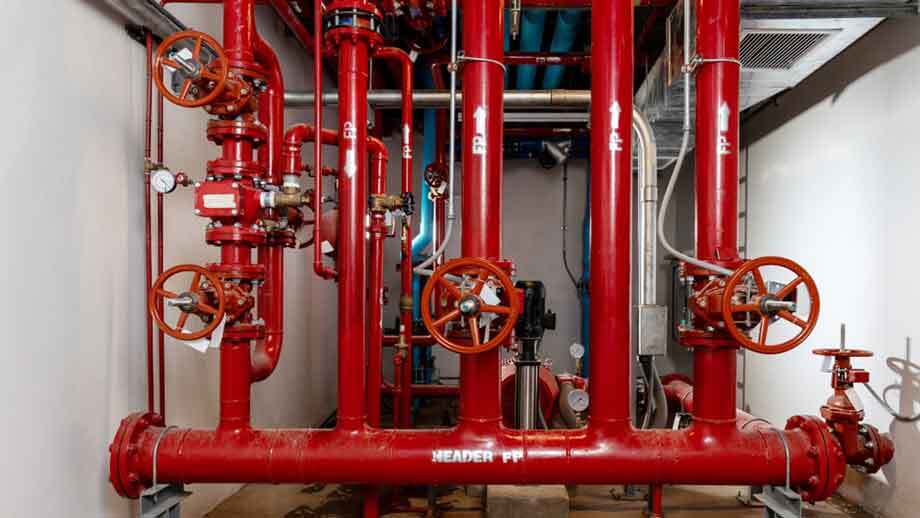
A fire fighting system is a combination of active components that detect, control, and extinguish fires, and passive systems that prevent their spread. Active systems include sprinklers, hoses, fire alarms, and suppression systems using gases or foam. Passive systems involve fire-resistant materials, compartmentalization, fire doors, and building design to slow or stop the fire's progression. Reliable Fire Protection SolutionOur fire hydrant systems are meticulously crafted to cater to diverse fire safety demands. With a solid 1-meter diameter and a 1-ton capacity, they provide dependable water supply during emergencies. Suitable for various installations, these systems integrate seamlessly with existing infrastructure, ensuring quick response times and ease of use.
Manufactured for Quality and SafetyWe prioritize stringent quality control throughout the manufacturing process, resulting in durable hydrant systems engineered for longevity. Each unit undergoes thorough testing to guarantee performance at the specified 1 bar pressure and 1 PSI operating pressure, making them ideal for use in a wide range of settings across India.
FAQ's of FIRE HYDRANT SYSTEMS:
Q: How are fire hydrant systems with a 1-meter diameter and 1-ton capacity installed?
A: Fire hydrant systems of this specification are installed by linking the main line to the municipal or facility water supply. Professional teams ensure proper mounting, secure pipe connections, and test the system's 1 bar and 1 PSI operating pressures for functionality.
Q: What are the main benefits of using a fire hydrant system with these specifications?
A: These hydrant systems provide robust and consistent water supply in emergencies, accommodating high-demand scenarios due to their 1-ton capacity and wide diameter. Their guaranteed pressure and temperature capacities enhance response efficiency and safety.
Q: When should a fire hydrant system be inspected or maintained?
A: Routine inspections are recommended at least semi-annually to confirm all components operate within the designed 1 bar pressure and 1 PSI. Immediate checks should follow any fire incident or visible damage to parts.
Q: Where can these fire hydrant systems be effectively utilized?
A: These systems are suitable for installations in industrial plants, commercial complexes, public spaces, and large residential areas across India, where they fulfill fire safety regulations and emergency response needs.
Q: What is the process for obtaining fire hydrant systems from your company in India?
A: Clients can contact us directly to discuss requirements. We assist with needs assessment, propose appropriate configurations, and manage manufacturing, exporting, and on-site installation as per Indian standards.
Q: How does the working temperature of 1 Rankine impact the usage?
A: With a working temperature rated at 1 Rankine, the system is engineered for environments where extreme thermal resistance isn't required, thus making it optimal for standard ambient conditions and routine safety measures.










 Send Inquiry


 Send Inquiry


